
From my own experience working in logistics at a semiconductor company in Pyeongtaek, Korea (Samsung supply chain environment), I’d like to share some logistics-focused software tools that I’ve actually seen used in real operations.
In this kind of environment, inventory accuracy, process clarity, and traceability matter far more than fancy features. The tools we rely on must support daily logistics workflows, not slow them down. That’s why inventory-focused software like Zoho Inventory stands out for small and mid-sized operations that want structure without unnecessary complexity.
(An Honest Review from a Logistics Perspective)
When you run a small business, inventory problems don’t appear all at once.
They creep in slowly.
At first, Excel feels enough.
Then orders increase, SKUs multiply, and suddenly you’re dealing with:
- stock mismatches
- missing items
- late deliveries
- unclear inventory numbers
I’ve seen this happen many times in real logistics operations.
That’s usually the moment when small businesses start searching for inventory management software.
This article shares my honest, practical view on the best inventory management software for small businesses, based on real operational needs—not marketing promises.
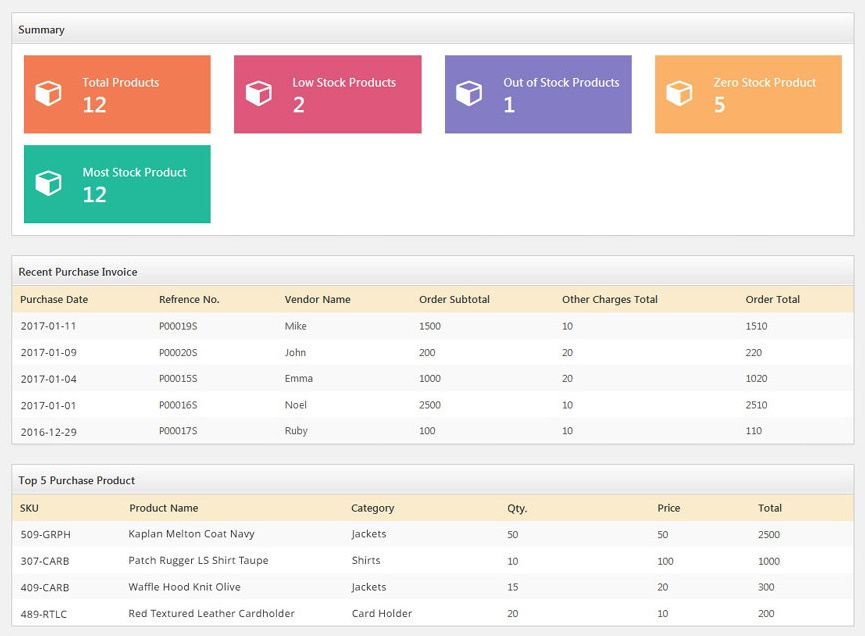
Why Small Businesses Outgrow Excel Faster Than Expected
Excel is flexible, but it depends heavily on people doing everything perfectly.
Once a business grows, Excel starts to break down because:
- multiple people edit the same file
- inventory history becomes unclear
- mistakes are hard to trace
- reports take too much time
Inventory software doesn’t just track numbers—it enforces process.
And for small businesses, process is what prevents expensive mistakes.
What Small Businesses Should Look For in Inventory Software
Before choosing any tool, I always suggest focusing on practical criteria, not features lists.
Key things that actually matter:
- Clear stock visibility (what’s in, what’s out, what’s reserved)
- Easy setup without IT support
- Scalability as SKUs and orders increase
- Clean reporting for daily decisions
- Reasonable pricing for small teams
If software fails at these basics, advanced features don’t matter.
Best Inventory Management Software Options for Small Businesses
Below are inventory tools that are commonly chosen by small and growing businesses—and for good reason.
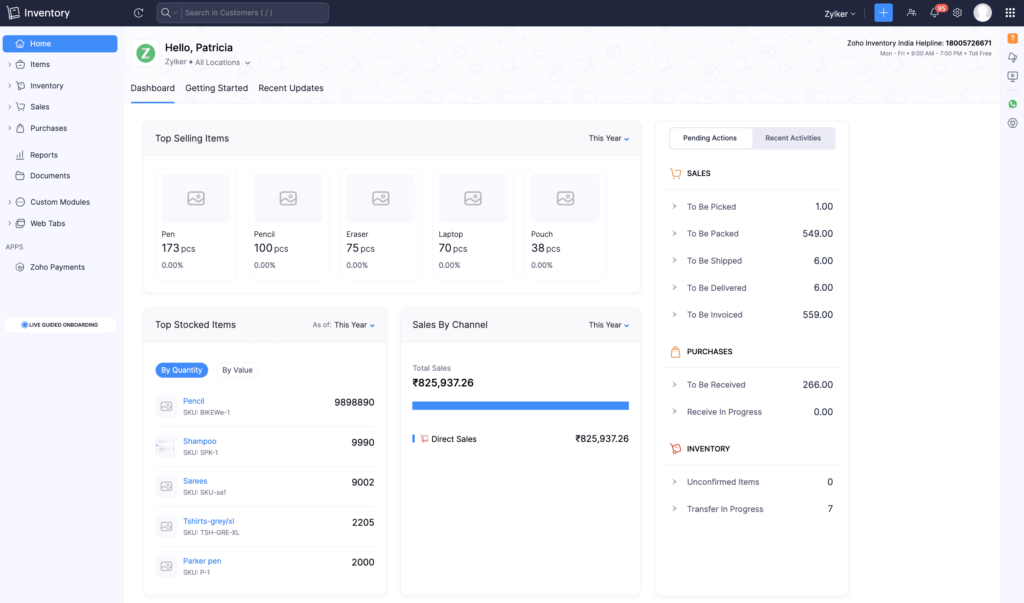
1. Zoho Inventory – Best Overall for Small Businesses
Zoho Inventory is often the first serious inventory system small businesses move to after Excel.
Why it works well:
- Simple interface
- Clear inventory flow
- Suitable for e-commerce and import/export
- Affordable for small teams
From a logistics point of view, Zoho Inventory focuses on operational clarity, not unnecessary complexity.
It’s especially suitable if you:
- manage multiple SKUs
- run a small warehouse
- want structured inventory without ERP complexity.
2. Odoo Inventory – Best for Businesses That Plan to Scale
Odoo Inventory is more powerful, but also more complex.
Where it shines:
- High flexibility
- Modular ERP system
- Good for companies planning long-term growth
However, Odoo usually requires:
- more setup time
- more technical understanding
For very small teams, it may feel overwhelming at first.
3. Cin7 – Best for E-commerce-Focused Businesses
Cin7 is often used by businesses that sell across multiple channels.
Strengths:
- Strong e-commerce integration
- Centralized inventory across platforms
- Designed for retail and online sellers
The trade-off is cost—it’s usually more expensive than entry-level tools.
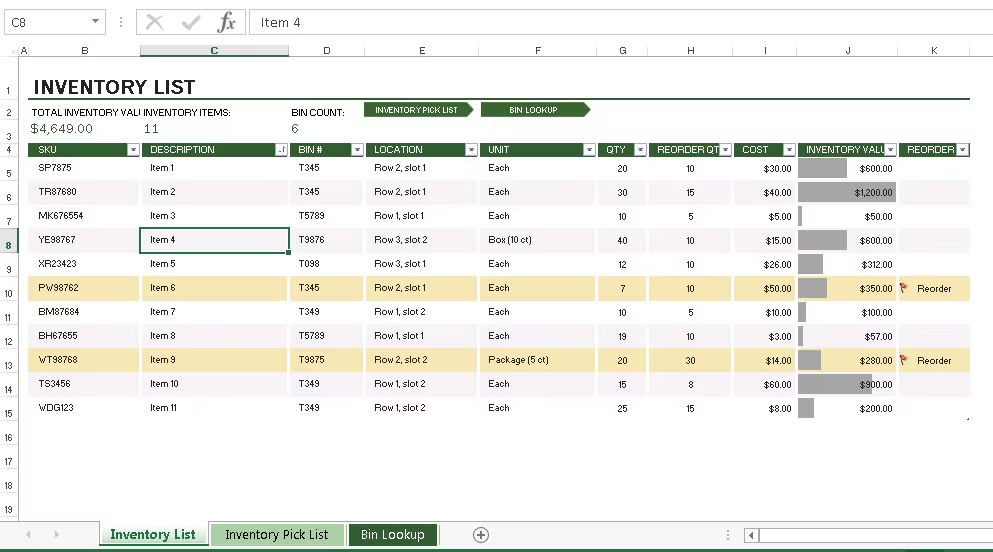
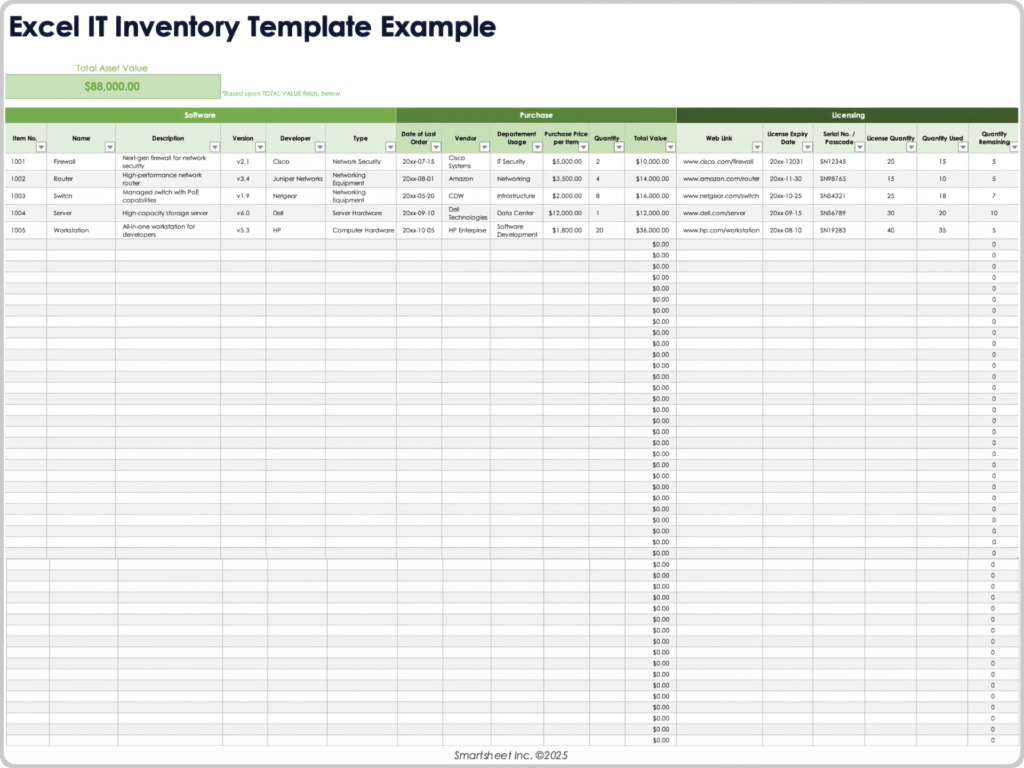
Inventory Software vs Excel: The Real Difference
This comparison comes up all the time.
Excel:
- flexible
- manual
- error-prone
Inventory software:
- structured
- traceable
- process-driven
Once order volume increases, process beats flexibility every time.
How to Choose the Right Inventory Software for Your Business
I usually recommend asking these questions before committing:
- How many SKUs do we manage now?
- Will we add more products soon?
- Do we need multi-location inventory?
- Do we need inventory reports for decisions?
- Do we want simplicity or full customization?
There is no “perfect” software—only software that fits your current stage.
Final Thoughts: Which Inventory Software Is Best?
If you’re a small business just moving away from Excel, Zoho Inventory is often the most practical starting point.
If you’re planning rapid growth and complex workflows, Odoo may be worth exploring.
If your business is e-commerce heavy, Cin7 can be a strong option.
The most important thing is not the software itself, but choosing a tool that supports clear inventory processes from day one.
Suggested CTAs (Natural & Non-Pushy)
- Try Zoho Inventory Free Trial
- Compare Inventory Software Options
- See Which Inventory Tool Fits Your Business.